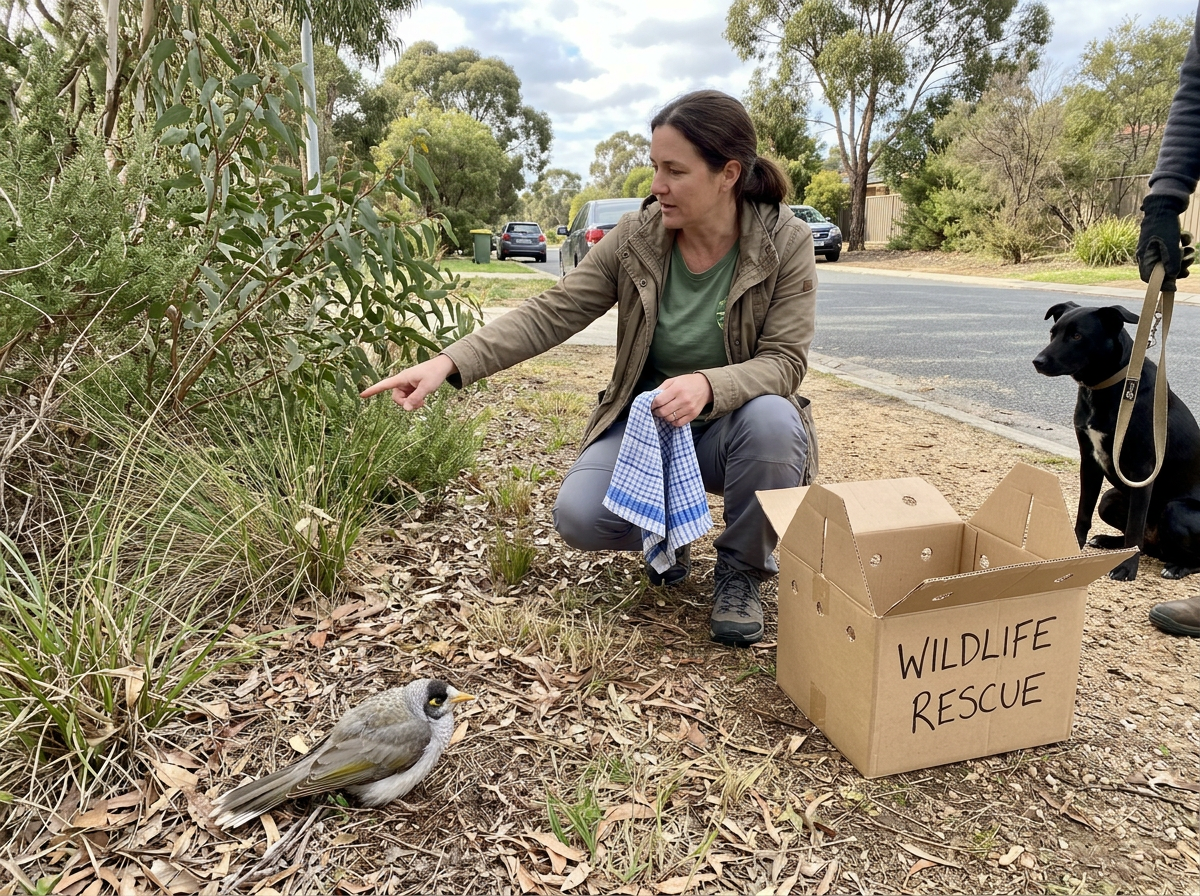
The short answer is no, not reliably. A bird's broken leg very rarely heals correctly on its own, and in many cases, leaving it untreated makes things significantly worse. Unlike a minor scrape or a stunned bird recovering from a window collision, a fractured leg needs proper immobilization, pain control, and professional assessment to have any real chance of healing well. If you're looking at a bird right now with a leg that looks wrong, this guide will walk you through exactly what to do.
Will a Bird Broken Leg Heal on Its Own? What to Do Now
Marcus Chen
23 Mar 2026
Can a bird's broken leg heal on its own?
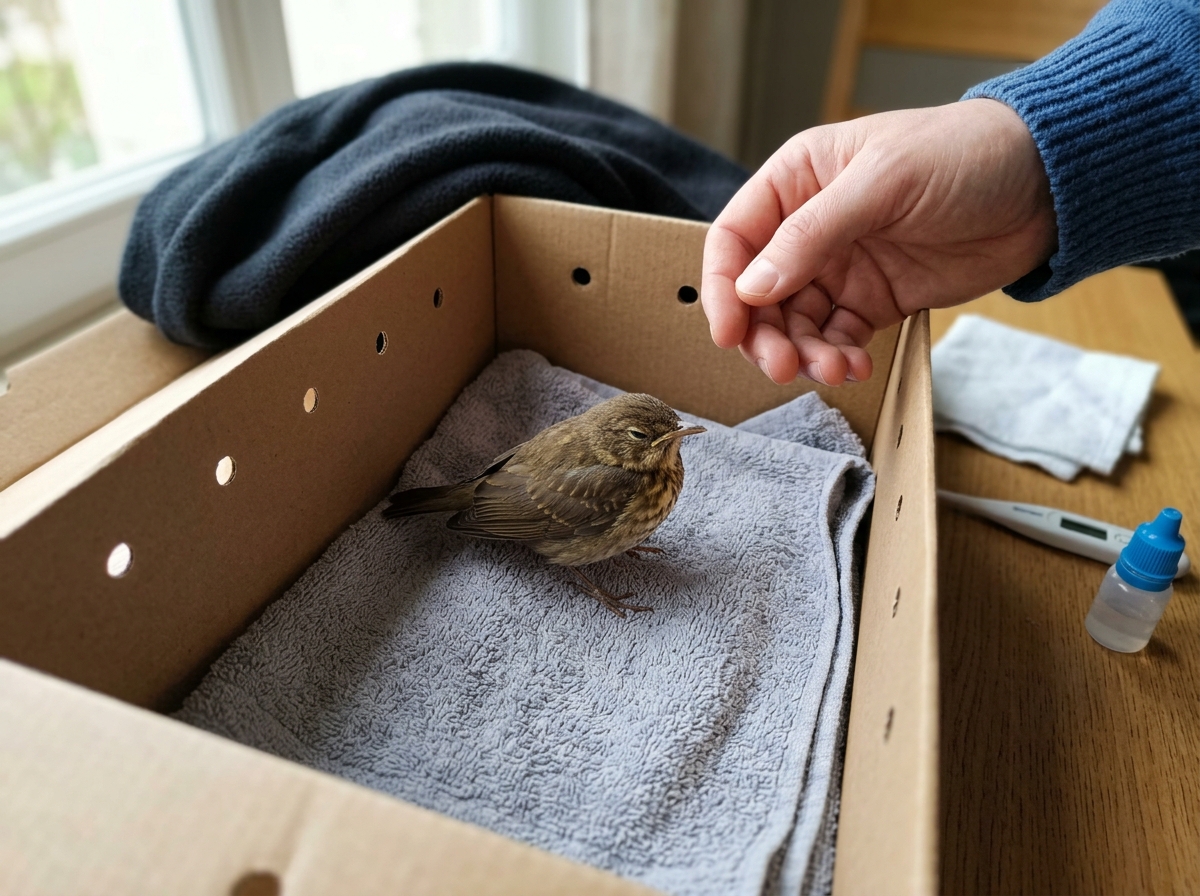
Technically, bones can start to knit together without intervention, but that's not the same as healing well. Without proper alignment and immobilization, a bird's leg is almost certain to heal in a crooked or dysfunctional position (called malunion), or fail to heal at all (nonunion). Either outcome is painful, and for a bird, a leg that doesn't work properly is often a death sentence, especially in the wild. A bird that can't perch, stand, or forage is quickly going to lose condition and become vulnerable to predators or starvation.
Some fracture types are more serious than others. An open fracture, where the bone has broken through the skin, is a medical emergency that can lead to life-threatening infection within hours. Even a closed fracture (where the skin is intact) can involve compromised blood supply, which worsens rapidly without treatment. The American Bird Conservancy is clear on this: even a bird that looks like it might recover on its own can be carrying a fatal injury. The safe assumption is always to treat it as urgent and get professional eyes on it today.
Broken leg or something else? Here's how to tell
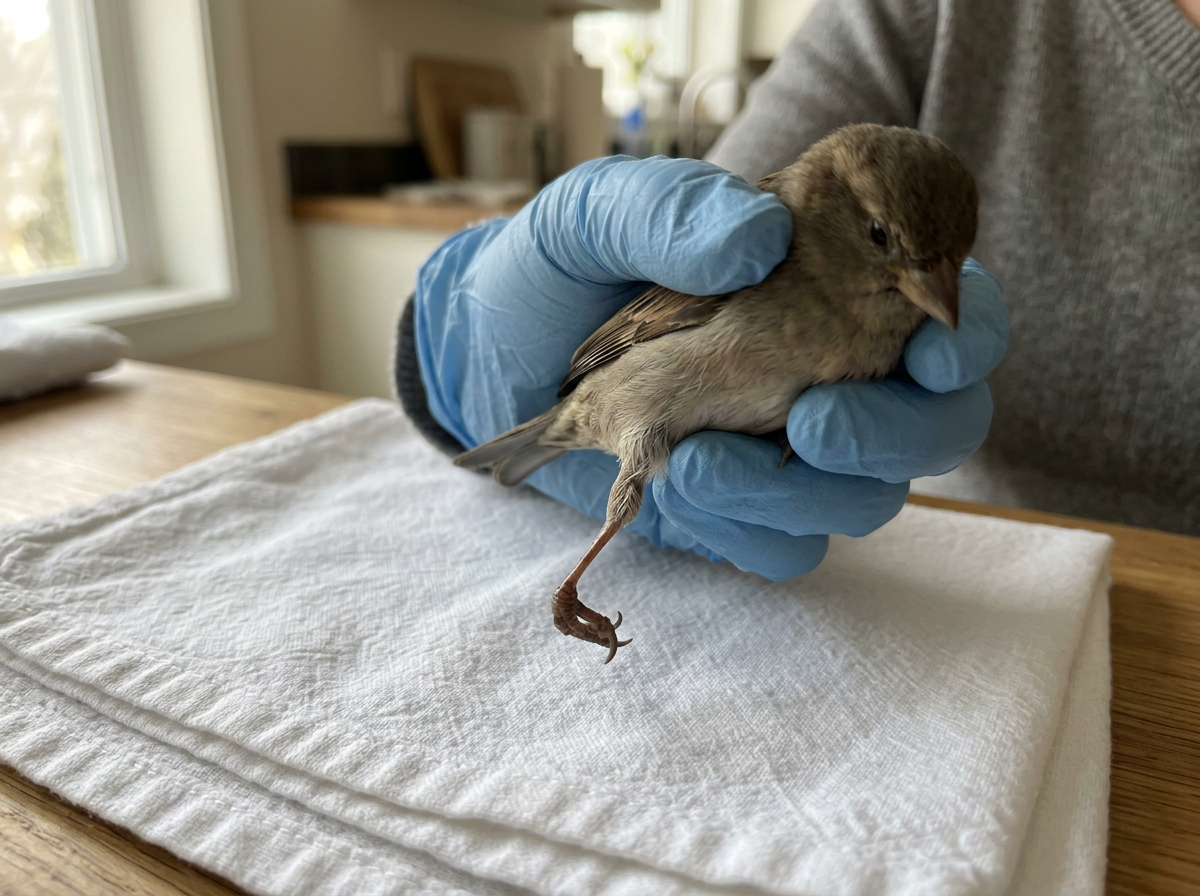
Before you do anything, take thirty seconds to observe the bird from a short distance. You're looking for specific signs that point toward a fracture rather than a minor sprain, bruise, or something like bumblefoot (a common foot infection in captive birds).
The clearest signs of a broken leg include a leg hanging at an unnatural angle, a leg that droops or drags when the bird tries to move, visible swelling or deformity in the leg, an inability to stand or bear any weight on the leg, and any wound or bone visible through the skin. If the leg is clearly pointing the wrong direction or the bird is just lying flat and not attempting to stand, that's a strong indicator of a serious fracture.
A bird that is limping but still putting some weight on the leg might have a sprain, a minor fracture, or a joint injury. Limping still warrants a call to a wildlife rehabilitator or avian vet, but it's slightly less urgent than a completely non-weight-bearing bird. Signs like difficulty flying, fluffed feathers, and general lethargy alongside the leg problem suggest the bird is already in shock or significant pain, and that escalates the urgency immediately.
What to do right now: first aid steps that actually help
Your job right now is not to fix the leg. Your job is to keep the bird stable, calm, and as comfortable as possible while you arrange professional care. Here's the sequence to follow.
- Contain the bird safely. Use a cardboard box with air holes punched in the sides. Line the bottom with a folded towel or paper towels for cushioning and grip. Do not use a wire cage or a container where the bird can flap and injure itself further.
- Handle as little as possible. If you need to pick the bird up, use a lightweight towel or cloth to scoop it gently. Avoid grabbing the legs or wings. Cup the bird's body firmly but without squeezing, keeping the wings held lightly against its sides.
- Keep it warm, dark, and quiet. Place the box in a quiet room away from pets, children, and loud noise. Warmth matters: a bird in shock or pain loses body heat fast. If the room is cool, you can place a heating pad set to low under one half of the box so the bird can move away from it if needed. Never put the heat source inside the box.
- Do not give food or water. This is one of the most important things to get right. A bird in trauma or shock cannot safely process food or water, and forcing either can actually worsen its condition. Hold off on anything by mouth until you've spoken to a rehabilitator or vet.
- If there is active bleeding, apply gentle pressure with a clean cloth. Don't try to clean or probe a wound. Just control the bleeding and get help fast.
- Call for help immediately while the bird is contained. Don't wait to see how the bird does over an hour or a day.
Things you should not do (these make it worse)
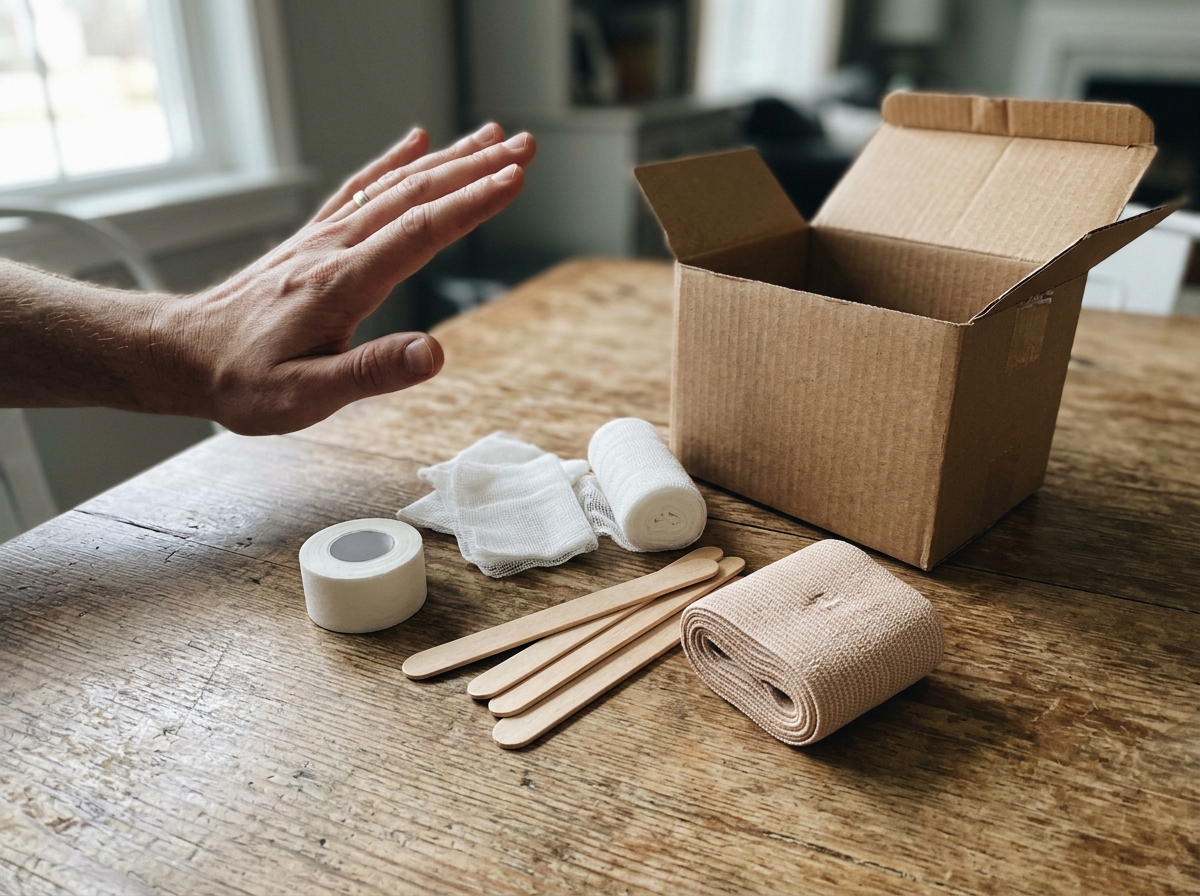
I know it feels like doing more is helping more, but with bird fractures, a lot of well-meaning actions cause real harm. These are the ones to avoid.
- Do not attempt to splint the leg yourself unless a licensed rehabilitator or vet has walked you through it on the phone. An incorrectly applied splint can cut off blood supply and cause the leg to die. Splinting is a skill that takes training to do safely.
- Do not try to 'reset' or straighten the bone. You will cause additional pain and potentially make the fracture much worse.
- Do not wrap the leg tightly with tape, bandages, or rubber bands. Anything that restricts circulation is dangerous.
- Do not force the bird to drink or eat. Even if it looks dehydrated, hold off until a professional advises you.
- Do not leave the bird in a box with other animals, in a car on a hot day, or in a place with a lot of noise and activity.
- Do not assume it will 'walk off' on its own. A dangling, drooping, or non-weight-bearing leg will not self-correct.
When you need help today, not tomorrow
There are situations where waiting even a few hours makes a meaningful difference to outcome. You need to contact an avian vet or wildlife rehabilitator today if any of the following apply.
- The bone is visibly breaking through the skin (open fracture). This is a same-day emergency.
- There is active, uncontrolled bleeding from the leg or a wound near it.
- The bird is lying on its side, has its eyes closed, or is unresponsive.
- The leg is completely dangling with no muscle control or movement at all.
- The bird is a young chick or nestling, which are far more fragile than adults.
- The bird is a pet or companion bird (budgie, parrot, cockatiel, etc.) rather than a wild bird. Pet birds are often less resilient to untreated trauma and their owners have a direct responsibility for their care.
- The bird has been in the box for more than an hour and is not showing any sign of stabilizing.
If the bird is a wild bird and you're unsure, the rule is still: call today. Licensed wildlife rehabilitators provide free triage advice over the phone, and they can tell you within minutes whether what you're describing is a 'wait an hour and reassess' situation or a 'get here now' one.
How to transport the bird and what to say when you call
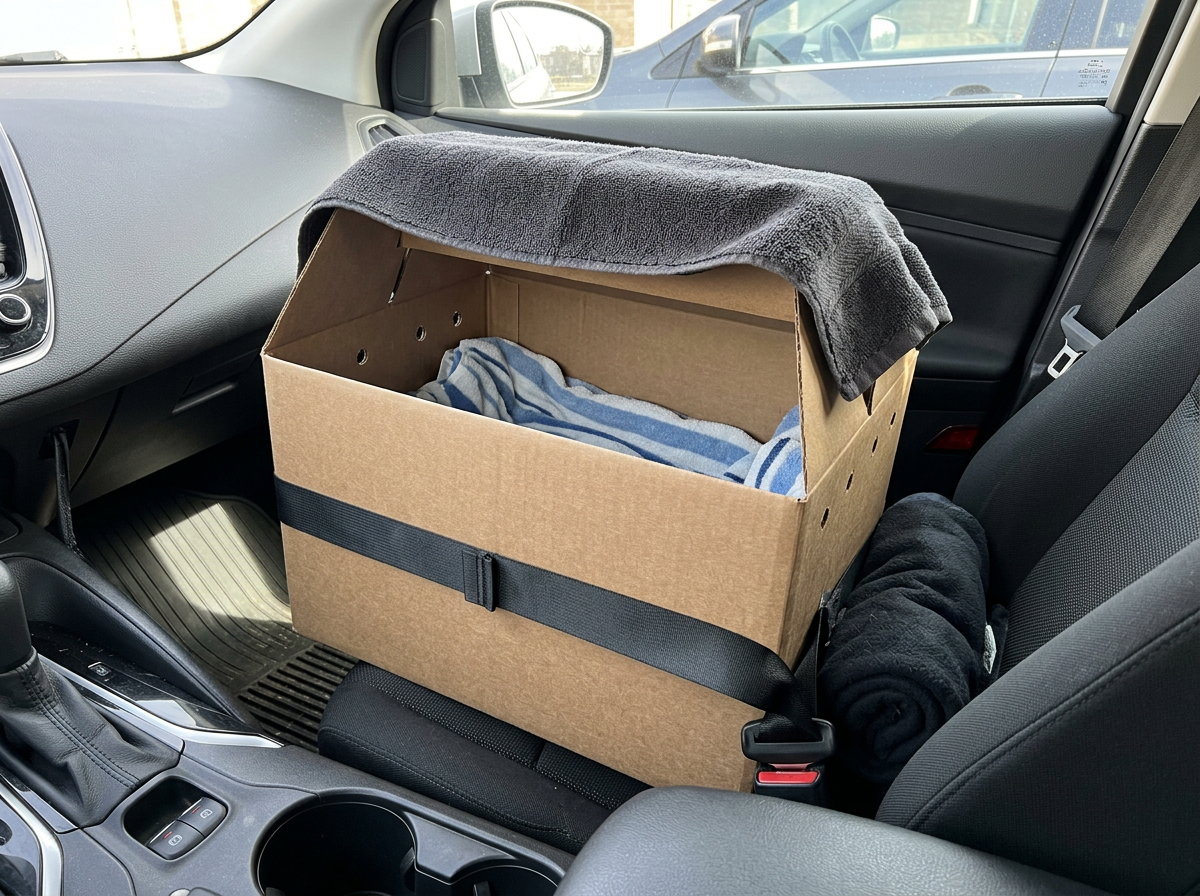
Transport is where a lot of birds get re-injured. The box should be placed flat and stable in your car, ideally on the floor of the passenger seat or wedged so it cannot tip or slide. Keep the car cool and quiet, turn off loud music, and drive smoothly. The goal is minimal vibration and no sudden movements.
When you call an avian vet or wildlife rehab center, be ready to answer a few key questions clearly. Having this information ready saves time and helps them prepare for the bird's arrival.
- What species is the bird, or your best guess (robin, pigeon, sparrow, budgie, etc.)
- Where and how you found it (garden, road, inside a building, after a cat attack, etc.)
- What the leg looks like right now (drooping, swollen, wound visible, bone showing)
- How long ago you found it
- Whether you've given it any food, water, or first aid
- Your location so they can direct you to the nearest appropriate facility
To find your nearest option, search for 'wildlife rehabilitator near me' or 'avian vet near me' online. In the US, the National Wildlife Rehabilitators Association (NWRA) and the Wildlife Rehabilitators directory at animalhelpnow.org can help you locate someone quickly. In the UK, the RSPCA (0300 1234 999) handles injured wildlife calls around the clock. In Ireland, the ISPCA and local wildlife hospitals are the right contacts. Many rehabilitators also operate 24-hour emergency lines.
What recovery actually looks like, and what happens without treatment
When a bird gets proper care, a closed fracture with good alignment can heal in as little as two to four weeks for small birds, and four to eight weeks for larger ones. With a proper splint, pain management, and supportive feeding from a licensed rehabilitator, many birds make a full or near-full recovery and can be released or returned to their owner in good condition. The prognosis is better when treatment starts quickly, when the fracture is closed, when the bird is otherwise healthy, and when blood supply to the limb is intact.
Without treatment, the picture is very different. A fracture that isn't immobilized will move constantly every time the bird shifts position or tries to stand, causing ongoing tissue and nerve damage. The bone edges can cut into surrounding muscle. Infection can set in, especially if there's any open skin near the break. What might have been a straightforward fracture repair becomes a complex, expensive, or in many cases, unrecoverable situation. For wild birds especially, a leg that heals in a crooked or non-functional position typically means the bird cannot survive independently. bird with broken leg. broken leg bird splint
Fracture location matters too. A fracture of the tarsometatarsus (the lower leg, the part that looks like a 'backward knee') is generally more accessible and treatable than fractures higher up near the hip or femur, which may require surgical intervention. Your avian vet or rehab contact can explain what's involved once they've assessed the bird in person.
How outcomes differ by situation
| Situation | Typical prognosis with treatment | Without treatment |
|---|---|---|
| Closed fracture, lower leg, caught quickly | Good to excellent; often fully functional | Malunion, chronic pain, loss of function |
| Open fracture (bone through skin) | Guarded; depends on infection control and speed of care | High risk of fatal infection within days |
| Fracture near hip or femur | Guarded; may require surgery | Severe deterioration; often fatal for wild birds |
| Young chick or nestling | Fair with intensive rehab care | Very poor; chicks deteriorate extremely fast |
| Pet bird (budgie, parrot, etc.) | Good with prompt avian vet care | Chronic pain, feather-destructive behavior, permanent disability |
| Wild bird, fracture identified late | Reduced but still possible depending on species and fracture | Poor; compounding complications over time |
Your quick checklist and where to find local help
If you're feeling overwhelmed, run through this checklist right now. It covers the essentials while you find professional help.
- Contain the bird in a ventilated cardboard box lined with a towel or paper towels.
- Keep the box in a warm, dark, quiet space away from pets and noise.
- Do not give food or water.
- Do not attempt to splint, wrap tightly, or manipulate the leg.
- If there's bleeding, apply light gentle pressure with a clean cloth.
- Call a wildlife rehabilitator or avian vet now. Don't wait to see if it improves.
- Have your information ready: species, location found, how the injury looks, and how long you've had the bird.
- Transport the bird in the box, flat and stable, with minimal jostling.
For finding local help fast: search 'wildlife rehabilitator [your city or state]' or use animalhelpnow.org in the US. In the UK, call the RSPCA or check the Wildlife Trust website for your region. In Australia, WIRES (1300 094 737) covers most of the country. For pet birds, search 'avian vet near me' or ask your regular vet for a referral to a bird specialist, ideally one with experience in avian orthopedics.
If you want more detail on what a proper splint looks like when a professional applies one, or what symptoms to watch for in specific species like budgies, there's more guidance on those topics elsewhere on this site. But the most important thing you can do right now is make that call. The bird's chances go up significantly the sooner it gets professional care.
FAQ
What should I do if the bird will not let me examine the leg or seems too stressed to touch?
If the bird is panicking, focus on minimizing handling, keeping it warm and dark, and placing it in a secure ventilated container. Call an avian vet or wildlife rehabilitator immediately, describe what you can see from a short distance, and avoid manipulating the limb to “check” the injury.
Can a bird’s broken leg heal if I keep it still at home without a splint or vet care?
Sometimes swelling and soreness may decrease, but reliable healing requires proper alignment and immobilization, plus assessment for fracture type, blood supply, and pain control. Without that, healing can progress to crooked union, nonunion, or infection, which is why professional triage is recommended even when symptoms seem mild.
Is it ever safe to wait and reassess in a few hours?
Waiting is only reasonable if the injury is clearly minor (for example, it resembles a bruise or mild sprain), the bird can stand and bear weight, and there are no signs of deformity, open skin, or severe drooping. For any uncertainty, call for same-day triage, because some closed fractures can look less dramatic at first.
How can I tell a broken leg from bumblefoot or a simple bruise?
Bumblefoot and bruising usually affect the sole or a specific pressure area, and the leg may still move normally. A fracture more often shows a leg at an unnatural angle, visible swelling or deformity along the limb, dragging or drooping during attempts to move, or inability to bear weight. If you cannot confidently distinguish them, treat it as urgent.
What is the safest way to confine the bird for transport?
Use a ventilated carrier, keep the bird inside calm and warm but not overheated, and position the carrier flat so the bird cannot slide. Avoid perches, soft bedding that allows twisting, and any setup that lets the leg hang off the edge. Minimize movement in the car by driving smoothly and securing the carrier so it cannot tip.
Should I put ice or a heating pad on the injured leg?
Do not apply heat or cold directly to the leg. Instead, keep the bird comfortable and reduce stress, then follow the rehabilitator’s instructions. Direct temperature treatment can worsen tissue damage or interfere with circulation in fractures.
Can I tape the leg or use household materials to make a splint?
Avoid homemade splints or tight bandaging. Incorrect alignment, pressure on nerves or blood vessels, and poor padding can turn a treatable injury into a more severe one. If a splint is needed, have an avian vet or rehabilitator guide you or apply it, even if it means emergency transport.
If the bone is not sticking out, is it still an emergency?
Yes. Closed fractures can still involve compromised blood supply, significant internal swelling, and high pain levels. Even when the skin is intact, the injury may worsen quickly, so same-day professional assessment is recommended.
How should I handle feeding if the bird is injured and likely in shock?
Keep the bird warm and quiet and do not force food or water. If the rehabilitator advises feeding, follow their specific method and amounts, because improper feeding can cause aspiration or worsen stress, especially when the bird cannot sit normally.
What signs mean the bird’s condition is deteriorating and I should escalate immediately?
Escalate if the bird becomes more lethargic, increasingly fluffed, unable to perch or stand at all, has spreading swelling, bleeding, or an open wound, or shows repeated worsening distress during handling. In those cases, tell the triage line you need urgent guidance, not reassessment.
Will a bird with a broken leg heal enough to be released back into the wild?
Sometimes, depending on fracture type, how quickly treatment starts, alignment, and whether the bird can regain normal function after immobilization and healing. However, if the fracture heals crooked or the bird cannot use the limb for perching, standing, and foraging, release may be unsafe. The rehabilitator will determine this after recovery and functional evaluation.
How long can a bird survive before treatment is too late?
There is no single safe timeline, and it depends on fracture severity, open versus closed injury, and the bird’s ability to eat and avoid hypothermia. Because infection and ongoing damage can accelerate, the practical rule is to contact professional help as soon as you notice the injury, ideally the same day.
Next Article
What to Do With an Injured Bird in Australia: First Steps
Step by step first aid for injured birds in Australia, safety, handling, do nots, and when to call wildlife rescue.