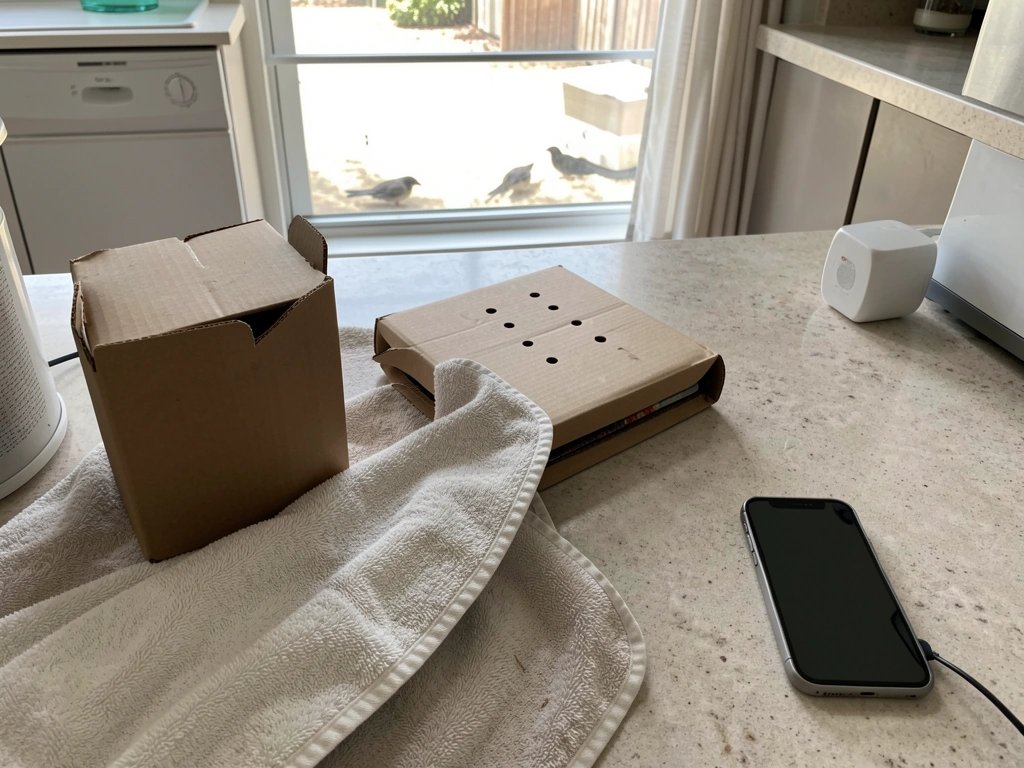
If you just found a wounded bird and you're not sure what to do, here's the short answer: contain it safely, keep it warm and quiet, don't feed it or give it water, and call a licensed wildlife rehabilitator as soon as possible. That covers the first 10 to 15 minutes. Everything below will walk you through exactly how to do each of those steps without making things worse.
Wounded Bird What to Do Step by Step for First Help
Marcus Chen
23 Mar 2026
First: Take a Breath and Do a Quick Triage
Before you touch anything, stop and look. A bird that is clearly injured, meaning it can't fly, is lying on its side, has visible wounds or blood, or is being attacked by another animal, needs your help. A bird that is sitting quietly on the ground but looks alert may just be stunned from a window strike and could recover on its own within an hour. Think Wild's guidance is useful here: if there is no blood and no obvious fracture, you can try placing the bird in a ventilated box in a quiet, dark, warm spot for up to one hour to see if it recovers on its own before escalating.
Signs that mean you should act right now and contact a professional without waiting:
- Visible blood, open wounds, or a bone sticking out
- A wing drooping at an odd angle and the bird can't hold it up
- The bird is on its back or side and can't right itself
- It's being actively threatened by a cat, dog, or other predator
- It's cold, limp, or completely unresponsive to movement nearby
- It's a bird of prey (hawk, owl, falcon) — these need professional handling immediately
If any of those apply, don't wait. Skip ahead to the section on contacting wildlife professionals and do that first, then come back to the handling steps while you wait for guidance.
How to Approach and Handle a Wounded Bird Without Getting Hurt
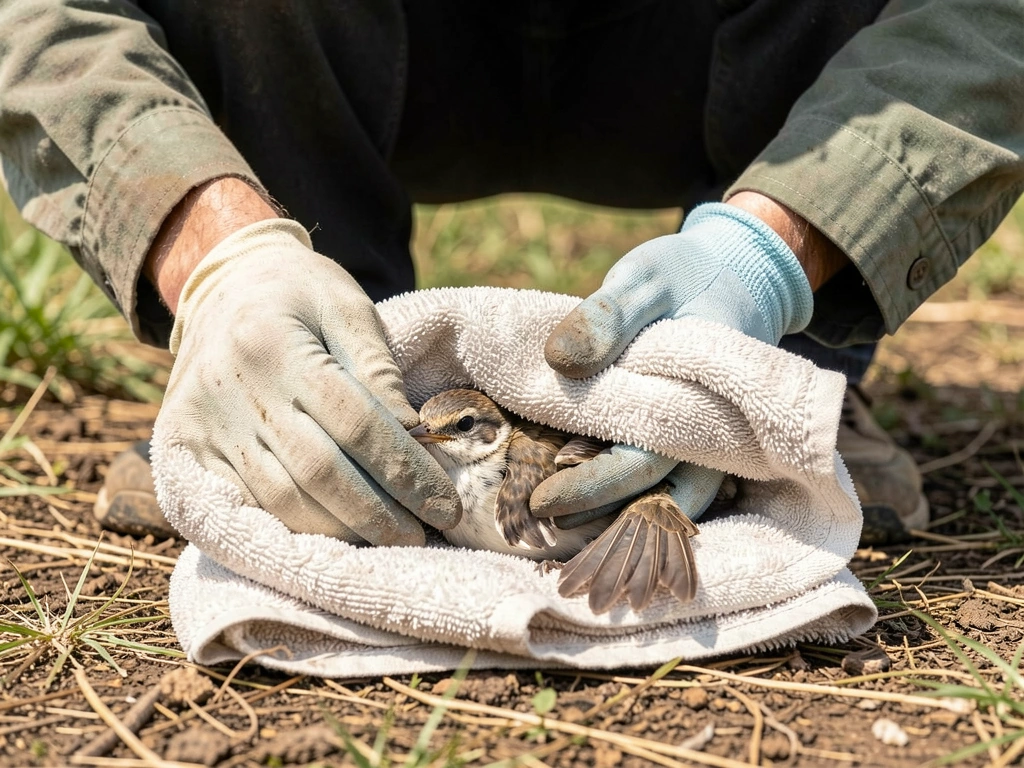
Wild birds, even small ones, will try to defend themselves when they're scared and in pain. A panicked robin can draw blood with its beak. A hawk or owl can do real damage with its talons. So before you get close, grab a pair of gloves if you have them, or at minimum a thick towel or a cloth you can use as a barrier between your skin and the bird.
Approach slowly and stay low. Crouching down and moving calmly is less threatening than standing over the bird and reaching down quickly. Cover the bird gently with the towel and scoop it up from underneath. You want your hands to cup the wings against the body so the bird can't flap and injure itself further. Hold it firmly but not tightly. You're not squeezing, you're just controlling the movement.
For raptors specifically, the feet and talons are the biggest danger, not the beak. The Hawai'i Wildlife Center specifically calls this out: if you're dealing with an injured hawk, owl, or eagle, thick leather gloves are not optional, they're essential. If you don't have them, use the thickest folded towels you can find to protect your hands and forearms. Honestly, if it's a bird of prey, calling a professional before attempting to handle it is the smarter move.
Setting Up Temporary Care: Box, Warmth, and Quiet
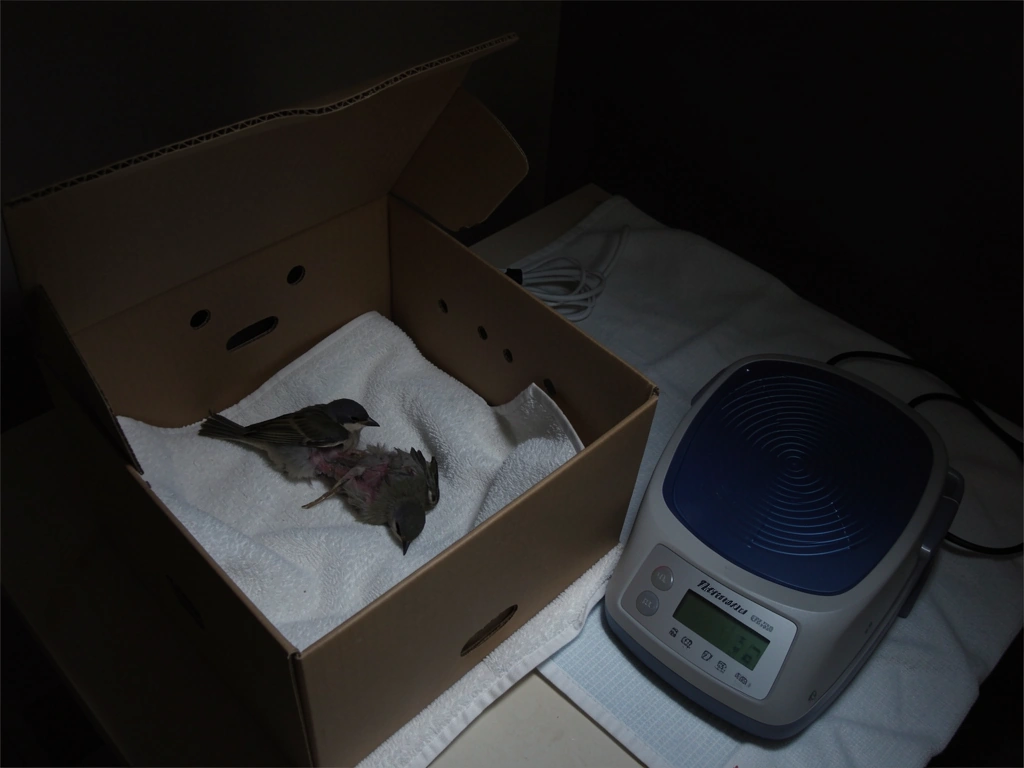
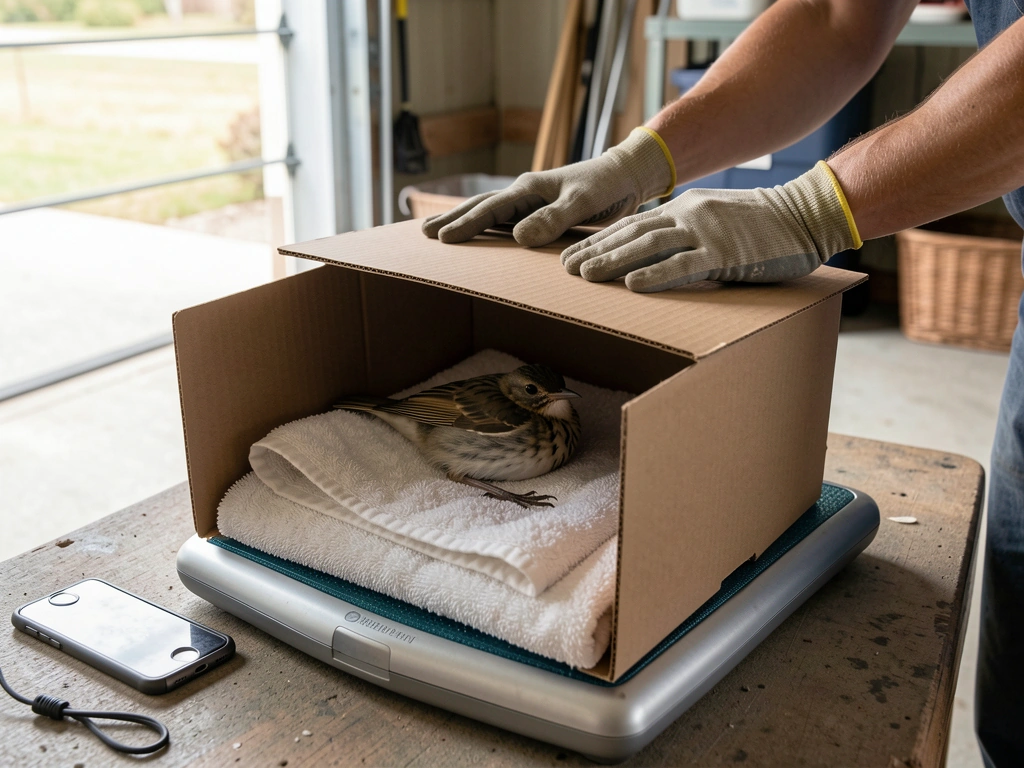
Once the bird is safely in your hands, you need a container. A cardboard box works perfectly. So does a plastic tub or a pet carrier. It should be big enough for the bird to sit or stand comfortably, but not so large that it can flap around and injure itself more. Punch or cut a few small holes in the sides or lid for ventilation, then line the bottom with a towel. Make sure the towel has no loose threads or frayed edges because bird feet can get tangled in those.
Place the bird inside, then close the box. Put it somewhere dark, quiet, and warm. Away from kids, away from pets, and away from loud noises. The Cornell Wildlife Hospital and BC SPCA both emphasize this same thing: darkness reduces stress significantly in wild birds, and stress alone can kill an already-weakened animal.
For warmth, a heating pad set on low works well, but here's the key detail: place the box so it sits half on and half off the heating pad. That way the bird can move away from the heat source if it gets too warm. You never want to trap the bird in direct, unavoidable heat because overheating is a real risk, especially with small birds.
The goal of this whole setup is simple: reduce stress, prevent further injury, and keep the bird stable until you can get it to a professional. That's it. You're not treating the bird, you're just keeping it safe.
What NOT to Do (This List Matters More Than You Think)
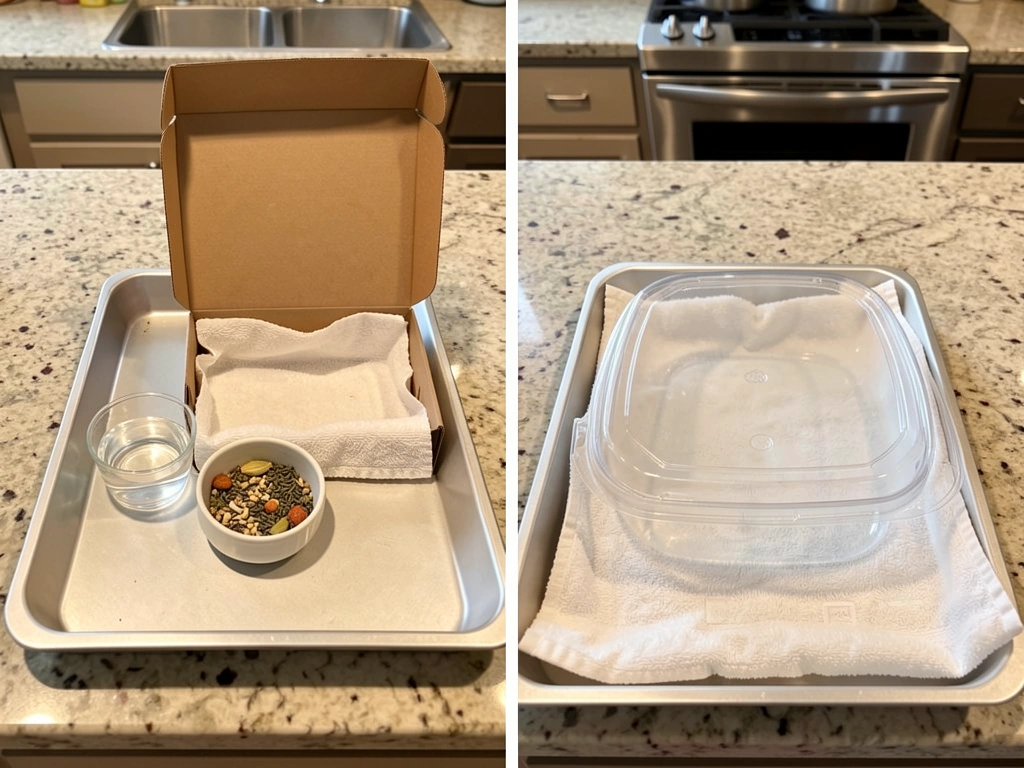
This is the section most people skip, and it's where most well-meaning rescuers accidentally cause harm. Please read it.
- Do not give food or water. It feels wrong to leave an injured animal without food or water, but Audubon, the Wildlife Center of Long Island, and the Hawai'i Wildlife Center all say the same thing: food and water given incorrectly can cause aspiration (liquid in the lungs), choke the bird, or make underlying injuries worse. Unless a licensed rehabilitator has specifically told you to feed or water the bird, don't.
- Do not try to treat the wound yourself. No bandaging, no antiseptic, no splints made from popsicle sticks. You can cause more injury or introduce infection. Basic containment is your job. Treatment is theirs.
- Do not give any medication, including over-the-counter pain relievers. Human medications like ibuprofen and acetaminophen are toxic to birds.
- Do not keep the bird as a pet or delay getting it to a rehabilitator. In the U.S., it is illegal under federal and state laws to keep wild native birds at home, even temporarily beyond immediate transport. The FWC, U.S. Fish and Wildlife Service, and Mass.gov all make this clear. Your goal is to hand it off, not adopt it.
- Do not leave it outside uncontained if it's injured. A grounded bird is an easy target for cats, dogs, raccoons, and other predators. Even leaving it 'nearby' while you go get help is risky.
- Do not handle it more than necessary. Every time you pick up or look at the bird, you're stressing it. Once it's in the box, leave it alone.
Figuring Out How Urgent the Situation Actually Is
Not every situation is a code red, but it helps to think through where on the spectrum you are so you know whether to call immediately or whether you have a little time.
| Situation | Urgency Level | What to Do |
|---|---|---|
| Stunned bird, no visible injury, responsive | Low | Box it, give it up to 1 hour to recover. If no improvement, call a rehabilitator. |
| Wing drooping, can't fly, no blood | Moderate | Contain safely, call a rehabilitator within the hour. |
| Visible blood, open wound, or bone | High | Contain immediately, call a rehabilitator or emergency vet right now. |
| Bird is limp, cold, or unresponsive | High | Contain with warmth, call immediately. |
| Bird of prey (hawk, owl, eagle, falcon) | High | Call first before handling if possible. These need specialist care. |
| Bird caught by cat, even if it looks fine | High | Cat bites cause hidden infections that kill birds within 24–48 hours. Call immediately. |
The cat bite situation is one that catches people off guard. A bird that walks away from a cat encounter looking totally fine can be dead the next day from bacterial infection. If a cat was involved, treat it as urgent regardless of visible injury.
One more scenario worth knowing: AWARE Wildlife Center notes that if a wing injury appears to be at least a week old and the bird seems to be managing, particularly if it lives near water or has access to food, leaving it alone may be the right call. This is a case where calling a rehabilitator first and describing what you see is the best move. They'll help you make the right judgment.
Who to Call and What to Say
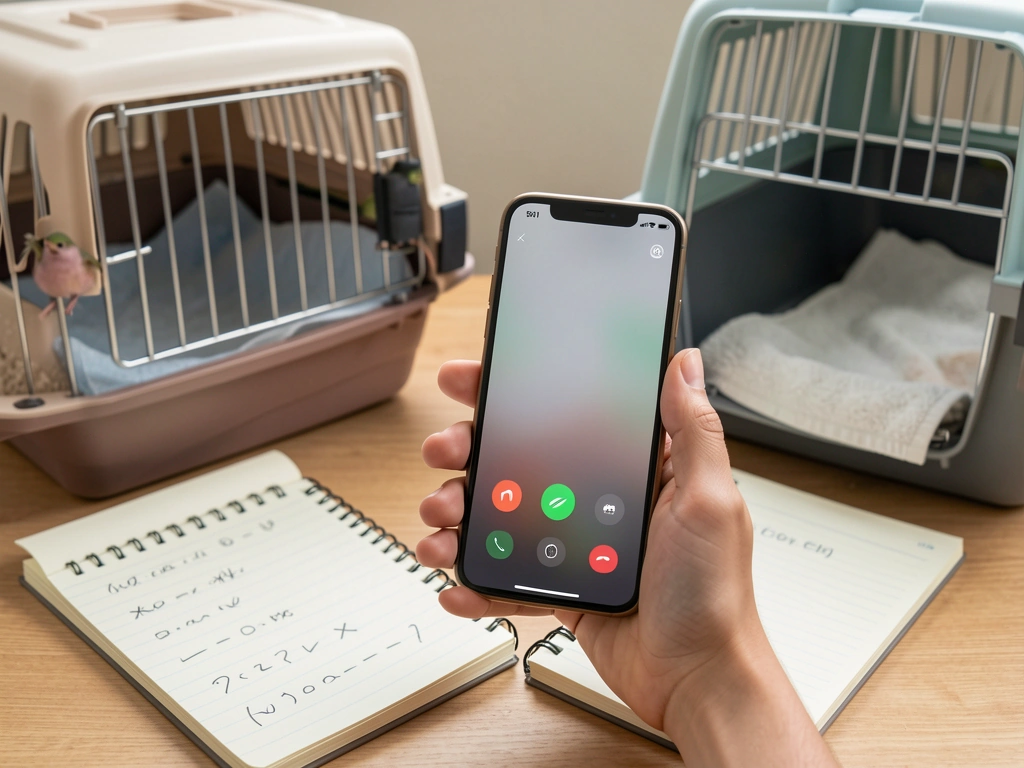
Your first call should be to a licensed wildlife rehabilitator. These are the people trained and legally permitted to actually treat wild birds. Many work out of wildlife hospitals or small private operations, and they are usually reachable by phone even after hours. If you can't find one immediately, your local humane society, animal control, or a local veterinarian who sees birds can often point you to the right person or take the bird temporarily.
To find a rehabilitator near you, search the National Wildlife Rehabilitators Association (NWRA) directory or your state's fish and wildlife agency website. Many states, like Indiana's DNR, maintain public lists of permitted rehabilitators. If you're outside the U.S., your country's equivalent wildlife authority (such as the RSPCA in the UK, or state-based wildlife agencies in Australia) will have similar resources. The Avian Wildlife Center also recommends calling before you even attempt to handle the bird, because a rehabilitator can tell you exactly what to do for your specific situation.
When you call, have this information ready:
- What kind of bird it is (or your best guess, including approximate size)
- Where you found it (specific location, indoor vs. outdoor, near a road, etc.)
- What you observed: was it struck by a car, attacked by a cat, hit a window?
- What visible injuries you can see (blood, wing position, responsiveness)
- What you've already done (whether it's boxed, whether it's warm)
- Your location and whether you can transport it
The more specific you are, the faster they can help you. Don't worry about not knowing the species name exactly. Saying 'medium-sized gray bird, looks like a pigeon but with a longer beak' is totally fine. They'll ask follow-up questions.
One thing Indiana's DNR is clear about: always call ahead before showing up at a rehabilitator's location. They make the final call on whether they can accept the animal, and walking in unannounced can create problems for everyone, especially during busy seasons.
Getting the Bird to Help
If the rehabilitator tells you to bring the bird in yourself, here's how to transport it without causing more stress or injury. Keep the box in a dark, quiet spot in your car. Put it on the floor or secure it so it won't slide around. Don't peek at the bird during the drive. Don't play loud music. Keep the temperature comfortable, not cold and not hot.
If you have to leave the bird overnight before help is available, the same rules apply: ventilated box, dark and quiet room, heating pad on low positioned halfway under the box, and absolutely no food or water. The Hawai'i Wildlife Center specifically covers this after-hours scenario and confirms that keeping the bird contained and undisturbed overnight is the right move when you're waiting until morning to reach a rehabilitator.
Once you've handed the bird off, the rehabilitator takes over completely. Recovery timelines vary a lot. The Wildlife Center of Long Island notes that rehabilitation can take anywhere from 24 hours to several months depending on the injury, the species, and the time of year. Your part is done once the bird is safely in professional hands, and that's genuinely the best thing you can do for it.
P|P|Finding a wounded bird is stressful, especially if you've never dealt with one before. But the steps are manageable: assess quickly, contain safely, keep it warm and quiet, skip the food and water, and make the call. You don't have to fix the bird. You just have to get it to someone who can.
FAQ
Can I give a wounded bird water or food to keep it alive?
No. Feeding is risky because the bird may choke or aspirate food into its lungs, and giving the wrong diet can worsen dehydration or gut problems. Stick to containment, warmth, and calm until a licensed rehabilitator tells you what to do.
If the bird seems alert, how long can I watch it before calling?
It depends, but generally not. If it is fully alert and has no blood, no obvious fracture, and is not being pursued by pets or traffic, you can monitor in a ventilated box for up to an hour as long as it stays calm and warm. If it does not improve within that window, call a rehabilitator.
Should I examine the wing or leg to see how bad the injury is?
Do not try to “test” injuries by moving the bird, stretching the wing, or checking for bone alignment. After initial containment, leave handling to a professional, and focus on preventing further flapping by keeping the bird stable in the lined, ventilated container.
What should I do if the wounded bird is actively bleeding?
If the bird is bleeding heavily or you see blood, treat it as urgent and contact a wildlife rehabilitator right away. Apply only gentle pressure to external bleeding with a clean cloth if it is absolutely necessary while you wait, avoid getting material stuck in feathers, and never use antiseptics or ointments on wild birds.
I found the bird in the street or yard, can I move it myself?
If you must move it to safety, pick it up with the towel approach already described and place it in a secure ventilated container. Avoid carrying it around for long periods, do not let it escape, and keep it out of view from pets and loud noise.
Are gloves enough, or do I need special protection for birds of prey?
Use the safest approach you can. If it is a raptor (hawk, owl, eagle) or you are unsure, prioritize calling first, and if you handle at all use thick, protective barriers for hands and forearms (thick gloves if available, otherwise thick folded towels) to reduce the risk of talon injuries.
Why is it so important to keep the bird in the dark and quiet?
Yes, and it matters. Keep the bird in a dark, quiet environment to reduce stress. Bright light and noise can worsen shock and can lead to seizures or death in weakened birds, so cover the container and limit disturbances.
How do I use a heating pad correctly without overheating the bird?
Heat should be controlled. Use a heating pad on low positioned so the container can move away from it, and check that the bird is not trapped in direct, unavoidable warmth. If the bird seems overly hot, turn the pad off and wait for professional guidance.
Can I give the bird an antibiotic or pain medicine I have at home?
Do not give medications, vitamins, antibiotics, or painkillers. Human drugs can be dangerous to birds due to dosing differences and metabolism. If you think it needs medicine, that decision belongs to the rehabilitator.
My cat didn’t see blood, but it was involved. Should I still treat this as urgent?
If a cat was involved, treat it as urgent even if the bird looks okay, because infection can develop after the bite. Contact a wildlife rehabilitator immediately, and keep the bird contained and warm while you arrange transport.
If the bird looks better after an hour, should I set it free?
Do not release it. Even if the bird seems better, injuries like concussions, internal damage, or fractures can worsen later. A rehabilitator can determine whether it can recover or needs care.
What if the rehabilitator tells me to bring the bird in, how should I transport it?
Contain it and call first. Many rehabilitators prefer you do minimal handling, and they may tell you to bring it in or wait for instructions. If you do transport, keep the container dark and stable, and avoid peeking during the drive.
If I have to leave the bird overnight, what are the safest conditions to keep it in?
If it must wait until morning, keep it in a ventilated, lined box in a dark, quiet room with a low heating pad positioned halfway under the box. Do not feed or water, and minimize checking, because repeated disturbance can delay recovery.
What symptoms mean the bird is worsening rather than just stunned?
Respiratory trouble and weakness are signs to call quickly. If you notice open-mouth breathing, gasping, extreme lethargy, inability to stand, or worsening condition, contact a rehabilitator as soon as possible rather than waiting the monitoring period.
Next Article
Injured Bird What to Do Near Me: Emergency Steps
Step-by-step guide for injured birds near you: safety, warmth, safe transport, when to call rehab, and what not to do.